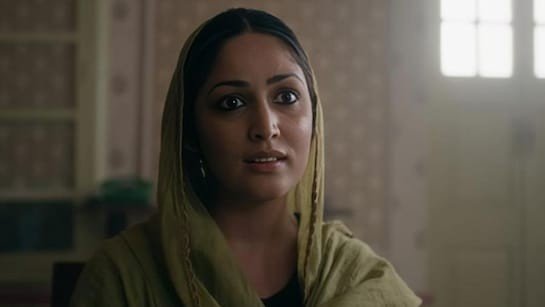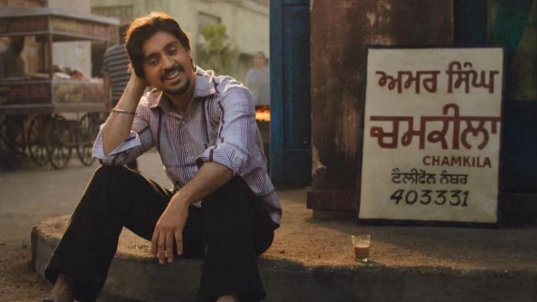
Once upon a time, "movie night" meant buying a ticket or waiting for a TV premiere. Now, it is a tap away. Over the past decade, OTT (Over the Top) platforms have rewritten the rules of entertainment, turning living rooms into personal cinemas and phones into theatres on the go. Netflix, Amazon Prime Video, Disney+ Hotstar, SonyLIV, Zee5 - and India's homegrown disruptors like JioCinema - have created a revolution. But revolutions evolve. The question is: where are we headed next?
The Rise and the Pause The OTT boom in India began around 2016-2018, when cheap data (thank you, Jio) collided with changing viewing habits. The pandemic supercharged the trend - with theatres shut, the small screen became the only screen. Big budget films premiered directly online, and binge watching entered the vocabulary of grandparents and school kids alike. But now, as cinemas reopen and audiences return to the big screen, OTT growth is slowing in some regions. Globally, Netflix has faced subscriber plateaus, and in India, platforms are locked in fierce battles over pricing, exclusivity, and local language content. The Future is Hyper-Local If the past few years taught us anything, it is that "one size fits all" does not work here. India's OTT future is hyper local - content in Tamil, Telugu, Malayalam, Bengali, Marathi, and beyond. Platforms are learning that a viewer in Madurai might want a gritty Tamil thriller, while someone in Lucknow prefers family dramas in Hindi. Expect regional cinema to get the OTT spotlight, with big stars doing web series in their native languages, breaking old barriers between "Bollywood" and "the rest." Tech Will Shape the Story Tomorrow's OTT experience will not just be about "what" we watch - it will be about "how" we watch. • AI powered recommendations will go beyond "Because you watched..." to predicting your mood. • Interactive storytelling (a la Netflix's Bandersnatch) will let you choose endings. • Virtual reality integration could make you walk into a show instead of just watching it. With 5G rolling out, streaming will get faster, crisper, and more immersive - no more buffering wheels interrupting dramatic moments. The Ad-Supported Comeback Ironically, the "ad free" promise of OTT may soon be history. To keep prices low and profits high, many platforms are embracing ad supported models. Netflix has already launched a cheaper ad tier in global markets; in India, this hybrid approach could become the norm - especially for mass audiences who still find monthly subscriptions steep. Bollywood Meets Binge Culture OTT is changing not just how films are seen, but how they are made. Theatrical "event" films will still exist, but mid budget dramas, thrillers, and rom coms are increasingly skipping theatres for streaming debuts. Bollywood stars like Ajay Devgn, Sushmita Sen, Kareena Kapoor, and Shahid Kapoor have already embraced web series - a sign that the screen size matters less than the script. The Big Picture In five years, the OTT landscape in India will look like a patchwork quilt: • A handful of big global players (Netflix, Amazon, Disney+) • A strong regional wave of Indian platforms (SonyLIV, Zee5, Hoichoi, Aha, JioCinema) • Hybrid subscription models mixing ads, free tiers, and pay per view options The competition will be fierce, but for the viewer, the future looks like a buffet - endless choices, all on demand. The challenge for platforms will be to keep you coming back, not just clicking away. Because in the world of OTT, loyalty is not given - it is streamed.
Positive Thoughts & Views