Chamkila isn’t just a film — it’s a punch to the gut. It doesn’t try to glorify or justify; it simply shows. Imtiaz Ali ditches his usual romantic lens and instead pulls you into the chaos, controversy, and electricity of Amar Singh Chamkila’s short, blazing life. This isn’t your typical musical biopic where things wrap up neatly — it’s messy, dark, and deeply human.
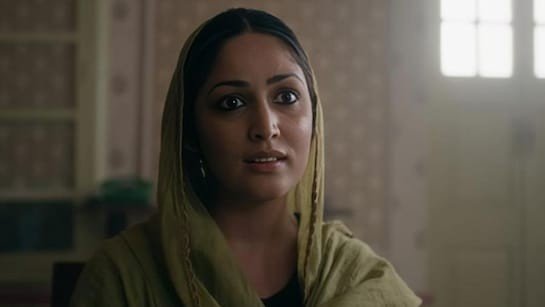
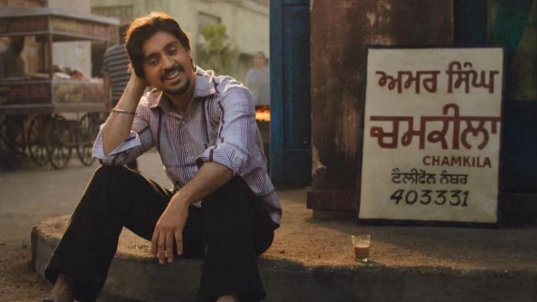
Diljit Dosanjh gives probably the performance of his career. It doesn’t feel like acting — it feels like possession. He doesn’t imitate Chamkila, he is Chamkila. The accent, the body language, the way he owns the stage and the silences off of it — it’s eerily perfect. Parineeti Chopra, too, surprises with a grounded, no-frills performance. No dramatics, just subtle strength.
The film avoids the temptation to sanitize Chamkila’s story. His songs were bold, vulgar to some, revolutionary to others — and the film respects that contradiction. It lets the viewer decide. A.R. Rahman’s music doesn’t dominate the scenes but quietly carries their weight. The tracks don’t chase viral status — they’re haunting, mature, soaked in meaning.
There are no villains here. Just a man who sang what he saw, what people lived but didn’t say out loud — and a society that couldn’t handle it. The animation used in key sequences might divide opinions, but it serves a purpose: to remind us that Chamkila wasn’t just killed — he was erased by a system afraid of truth.
This film stays with you. It doesn’t offer comfort. It raises questions. About censorship. About fame. About the kind of art we punish. Chamkila’s voice was silenced — this film ensures it echoes louder than ever.