Raza Murad is the kind of actor who does not need a car chase, a sword fight, or a designer suit to own a scene. He can do it with just a glance - and that voice. Deep, rich, and thunderous, it is a voice that does not just speak lines; it commands attention. He is rarely the "hero" in the traditional sense, nor is he a stock villain. Instead, he is something rarer: a character actor who can fill the frame with sheer presence, whether he is a corrupt politician, a ruthless king, or a grieving father. Born into a family already woven into the fabric of Indian cinema - his uncle was the legendary actor Murad - Raza Murad did not stroll into Bollywood riding on fame. He came in with something more enduring: a mastery of language, a love for theatre, and a face that could shift between dignity and danger with ease. Trained at the Film and Television Institute of India, he shared classrooms with future greats like Shatrughan Sinha and Danny Denzongpa, forging the foundation for a career built on craft.
Over the decades, Raza Murad has acted in more than 200 films, but his legacy is not in the numbers - it is in the weight he brings to every role. Even when the script gave him just a handful of lines, he made them count. His towering frame and deliberate, almost regal pacing gave his characters a quiet authority. And then there is that baritone - a voice that feels like it has been soaked in history and theatre before finding its way to the silver screen. In the 1980s and 90s, he became Bollywood's go to man for roles that demanded gravitas. His ministers, kings, and fathers were not cardboard cutouts of good or evil; they were layered, politically astute, and emotionally grounded. He did not resort to shouting or theatrics. Instead, he used stillness, an unblinking gaze, and the kind of monologues that felt like poetry disguised as cinema. But time has only refined him. As Bollywood villains evolved from obvious antagonists to more complex figures, Raza Murad adapted with ease - stepping into roles as wise elders, spiritual guides, and historical icons. His turn as Jalaluddin Khilji in Padmaavat (2018) was a reminder that even after decades in the industry, his presence still pulls you in. Raza Murad has never been one for gimmicks or constant self promotion. He does not flood social media feeds or chase every role that comes his way. Yet within the industry, his reputation is unshakable. Directors trust him to deliver, actors know he lifts every scene he is in, and audiences - whether they realize it or not - feel the shift in tone when his voice enters a frame. His career is not the story of stardom in the blinding sense. It is the story of an artist who has stayed true to his craft, letting his work speak for itself. In an industry full of noise, Raza Murad remains a deep, resonant echo - the kind that lingers long after the final credits roll.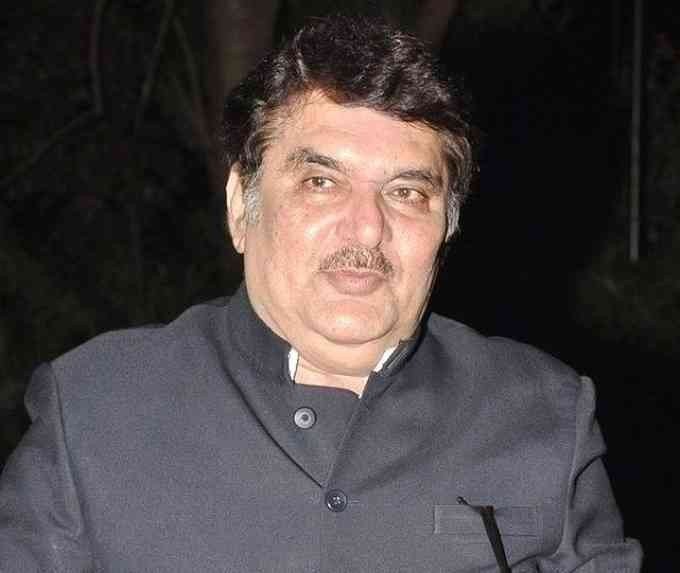
Positive Thoughts & Views